
Best Time to Trim Trees — Expert Tips from a Certified Arborist
Table of Contents
- July 9, 2025
- John
If you’re wondering when to trim your trees, you’re not alone.
As a certified arborist, I often hear questions like:
- “What’s the best month to trim trees?”
- “Is it okay to prune trees in summer?”
- “Will trimming now harm my tree?”
Timing matters more than many homeowners realize. When done at the right time, pruning helps your trees stay healthy, grow stronger, and look great. However, if you trim at the wrong time, it can actually stress your trees, reduce the number of flowers or fruit, and even invite pests or diseases.
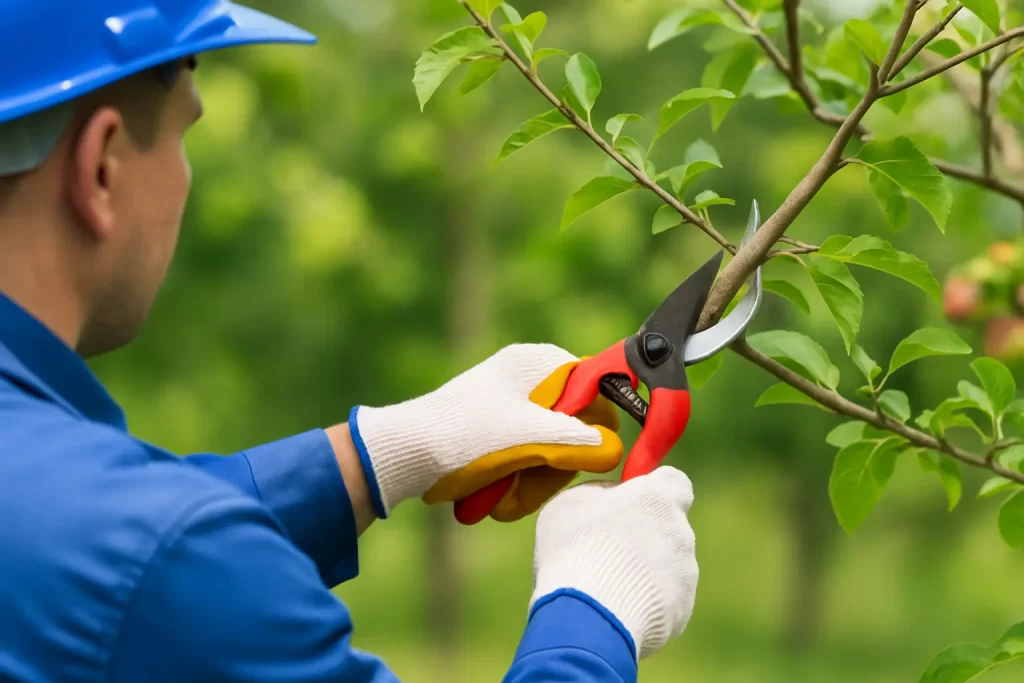
Why Timing Matters for Tree Trimming
Trimming isn’t just about removing branches, it’s about understanding how and when trees heal.
Trees respond differently depending on the season, type, and climate:
- Dormant season (late winter/early spring): Trees are less stressed; cuts heal faster before new growth starts.
- Sap flow: Some species (like maples and birches) bleed sap heavily if pruned too early in spring.
- Pests and disease: Beetles that spread diseases like oak wilt are active in warmer months, so pruning during those times can put trees at risk.
- Growth control: Winter pruning encourages strong spring growth; summer pruning can slow growth or help shape dense canopies.
- Flowering and fruiting: Pruning at the wrong time can remove next season’s buds, reducing blooms or fruit.
By timing your pruning correctly, you protect tree health and achieve the desired look and growth.
Best Season to Trim Trees (General Guidance)
Based on years of experience in trimming and tree care, I usually recommend trimming most trees in temperate regions during late winter to early spring, typically around February or March.
Here’s why:
- Trees are dormant, so trimming causes less stress on them.
- Wounds heal quickly when growth resumes in spring.
- Leafless canopies make it easier to see the structure and make precise cuts
- But timing can vary by tree type and climate.
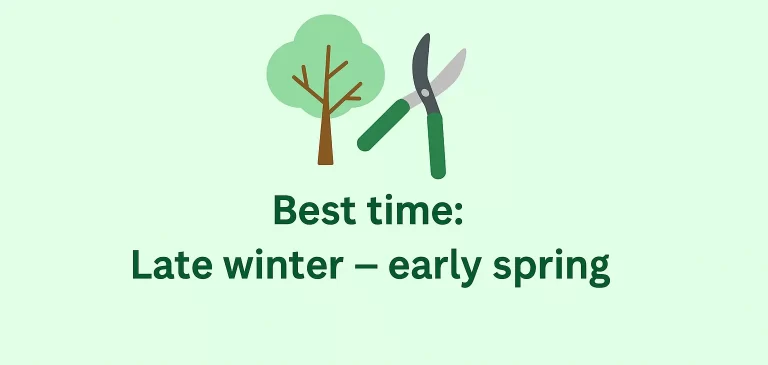
Best Time to Trim Different Tree Types
Different trees need trimming at different times to stay healthy, bloom beautifully, and avoid pests or diseases.
After helping many homeowners with tree care questions, I put together this simple table to help you see the best trimming times at a glance:
| 🌳 Tree Type | ✅ Best Trimming Time | 💡 Extra Tips |
|---|---|---|
| Deciduous (maples, elms, etc.) | Late winter–early spring | Avoid heavy trimming after early summer; can stress trees or cause sap bleeding |
| Oaks | November–March only | Helps prevent oak wilt (a deadly fungal disease spread by beetles) |
| Evergreens | Late winter–early spring | Light summer trimming is okay for shaping |
| Fruit trees (apples, peaches, apricots) | December–January (some light summer trimming) | Encourages healthy structure & good fruit production |
| Spring bloomers (lilacs, magnolias) | Right after flowering | Avoid cutting next season’s buds |
| Summer/fall bloomers | Late winter–early spring | Prune before new growth starts |
| Subtropical trees (California, Florida, etc.) | Light trimming year-round | Avoid heavy cuts during extreme heat or rainy seasons |
When Not to Trim Trees
Even though trimming helps trees stay healthy, there are times when it’s better not to trim. Here’s when I usually tell homeowners to wait:
Trimming now can trigger fresh growth that won’t survive the winter frost.
Trees are already stressed by heat or drought, and heavy cuts can make it worse.
Oaks should never be trimmed in warm months because beetles carrying oak wilt are active. For other trees, local humidity can also spread fungal diseases.
Disturbing nests can harm local wildlife and sometimes break local laws, especially in the UK and parts of the US.
These should always be removed anytime — safety comes first.
If you’re unsure, feel free to contact us for advice. It’s always better to ask before trimming.
Can You Trim Trees in Summer?
Summer isn’t always the best time to trim, but sometimes it’s perfectly fine if you keep it light.
Light trimming you can do:
- Remove dead, damaged, or dangerous branches
- Lightly shaped hedges or fast-growing ornamentals
- Give some fruit trees (like apricots or peaches) a light summer trim to help reduce disease
But avoid heavy cuts, which can:
- Stress the tree while it’s actively growing
- Reduce energy reserves needed for healthy growth
- Expose inner branches to sunscald
Summer pruning is about light maintenance, not major reshaping.
How Often Should You Trim Your Trees?
How often you trim your trees depends on their age, growth rate, and what you want to achieve. Regular trimming keeps trees healthier, helps them grow strong, and reduces the chance of storm damage. Here’s a quick guide:
🌱 Young Trees
Every 1–2 years
Helps develop strong shape early on
🌳 Mature Trees
Every 3–5 years
Remove dead wood, keep them safe
🍎 Fruit Trees
Once a year (late winter)
Better fruit production, manage size
✂️ Hedges & Fast-growers
Light trim once a year or more
Keep neat and under control
Real example:
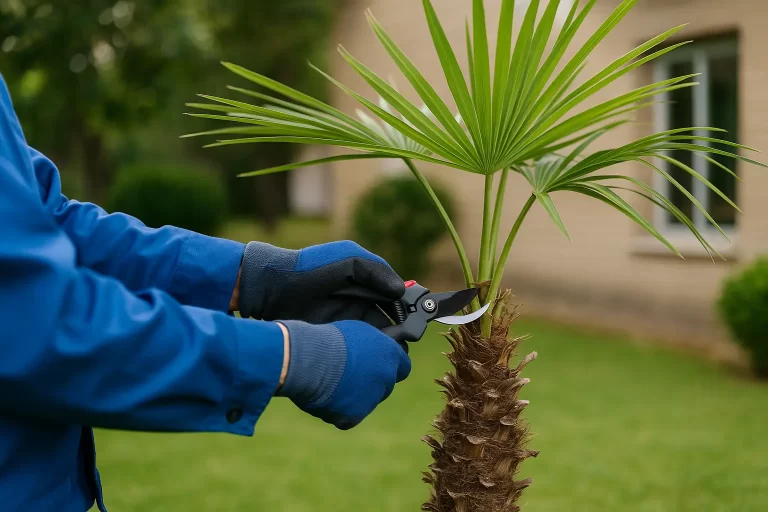
Recently, we helped one of our clients, Sarah K, trim a young 3-year-old palm tree around her property. By trimming it lightly, we kept its natural shape while making it look neat and healthy. She was happy with how it turned out, and that’s a great example of why young trees benefit from gentle, regular trimming every year or two.
Essential Tips from Your Certified Arborist
Even simple trimming can go wrong if you’re not careful. Here are a few practical tips to help keep your trees healthy and looking great:
- Use clean, sharp tools to make smooth cuts just outside the branch collar. The branch collar is the slightly swollen area where a branch meets the trunk; it helps the tree naturally seal and heal the cut, preventing decay.
- Avoid removing more than 25% of the canopy at once. Too much trimming can shock the tree and slow its growth.
- Never cut into the branch collar or the main trunk. Cutting here can open the tree to disease and long-term damage.
- Timing and technique matter. Don’t cut randomly; always plan each cut based on your tree’s age, health, and the season.
- Young vs. mature trees: Younger trees usually benefit from lighter, more frequent trims to shape strong structure early, while mature trees may only need trimming every few years to remove dead or hazardous branches.
If you’re unsure what’s best for your trees, consider getting advice from a certified arborist through our tree trimming service. A little professional guidance can save time, money, and help keep your trees strong for years to come.
Tip: Light, regular trims are usually safer than heavy cuts after years without trimming.